



HomeResources

NexaFix Resources

Make every mile a smarter one.

Practical EV and hybrid guidance for charging, vehicle care, ownership and getting help when you need it.

Popular searches:
A black electric SUV on a seaside road at sunset, with icons for charging, battery, maintenance and support
A blue electric SUV driving down a wet palm-lined road at night

Need help with a real vehicle issue?

Guides explain it. NexaFix finds the next step.

Find a workshop, EV specialist or roadside help, or the nearest charger that fits your car.

Quick answers

Fast answers to the most common questions.

Can I charge my EV at any charging station?

Only where the plug matches your car (Type 2, CCS2 or GB/T) and the station is working and open. The Nexa Map shows the plug and speed for each station where we know them. Some adapters exist, but check with your car's maker before using one.

How often should an EV or hybrid be serviced?

Follow the schedule in your owner's manual. It's usually set by time and distance, often once a year. Hybrids and plug-in hybrids also need regular engine servicing. Check tyre pressure yourself every month.

What should I do if a warning light appears?

Red means stop safely as soon as you can; amber means get it checked soon. Our guide What to do when a warning light appears explains the EV-specific ones.

Can NexaFix connect to my vehicle in real time?

Not yet. Today you add your car and its details in the app yourself. Live readings from the car are in development, and when they arrive they will depend on your car's make and model.

Where does the charging station information come from?

From public listings and the station operators. We show only what we've confirmed and say "Not listed" when we don't know a detail, such as the speed or the plug.

Does NexaFix charge my car or take payment for charging?

No. Stations are run by their operators: you charge and pay with them. NexaFix helps you find the right station and see what we know about it.

Still have a question?

Our team is here to help with anything from vehicle basics to how NexaFix works.

The Independence Arch on the Accra waterfront with the city skyline behind

All guides

Every guide, in one place.

Short, practical and written for drivers in Ghana. Tap a guide to read it.

EV & Hybrid BasicsNew to EVs? Start here.A simple 3-step guide to help you get familiar, feel confident and get on the road.1 min read

1. Understand your vehicle. Find out whether you drive a full electric car (EV), a hybrid or a plug-in hybrid, which charging plug it takes and how far it usually goes on a full battery. Your owner's manual and the sticker inside the charging flap tell you most of this.

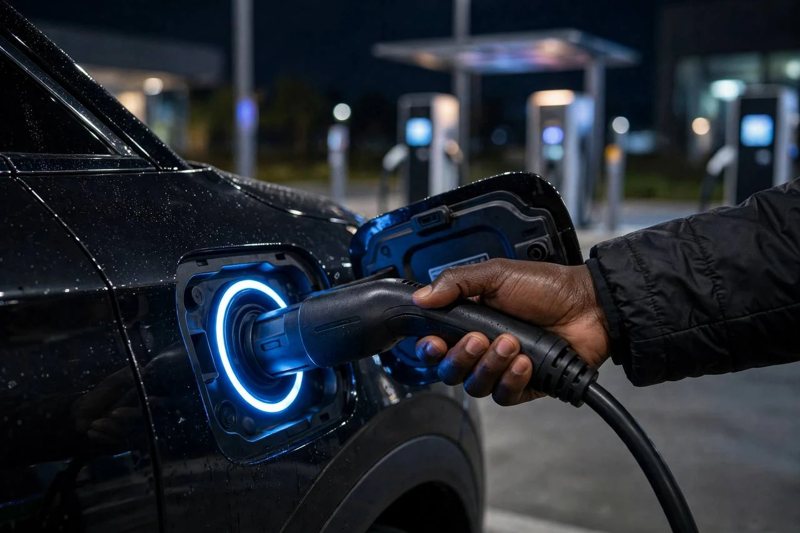
2. Learn to charge. Slower AC charging (at home, malls and hotels) is the everyday option. DC fast charging is for longer trips. Before you set off, check that the station has your plug and is open.

3. Build good care habits. Check tyre pressure monthly, keep the 12V battery healthy, follow your maker's service schedule and keep your records in one place. Small habits prevent most surprises.

EV & Hybrid BasicsEV, hybrid or plug-in hybrid: what's the difference?Three kinds of electrified cars, and what each one means for charging and servicing.1 min read

Full electric (EV): runs only on its battery and is charged from a plug. No engine oil, no fuel.

Hybrid (HEV): a petrol engine plus a small battery that charges itself from the engine and from braking. You never plug it in, and it still needs engine servicing.

Plug-in hybrid (PHEV): a bigger battery you charge from a plug for shorter electric trips, with a petrol engine for longer ones. It needs both charging and engine servicing.

EV & Hybrid BasicsHybrid ownership, made clearerUnderstand the benefits, the servicing and what to expect over the years.1 min read

Hybrids save the most fuel in stop-start city traffic, because the electric motor helps at low speed and braking recharges the battery.

They still have an engine, so oil, filters and spark plugs are changed on the maker's schedule, just like a petrol car.

The hybrid battery is built to last many years. Heat is its main enemy: park in the shade when you can and make sure the battery's cooling vent (often near the back seats) isn't blocked.

Drive the car regularly. A hybrid that sits unused for weeks can end up with a flat 12V battery, which stops it from starting.

Charging & RangeAC or DC: what's the difference?Which charger to use, and which plug your car takes.1 min read

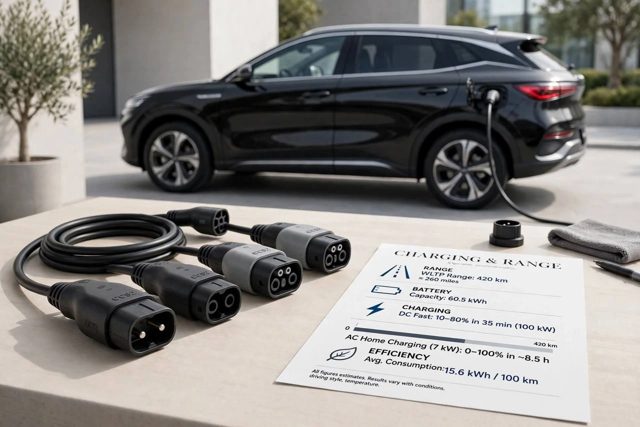
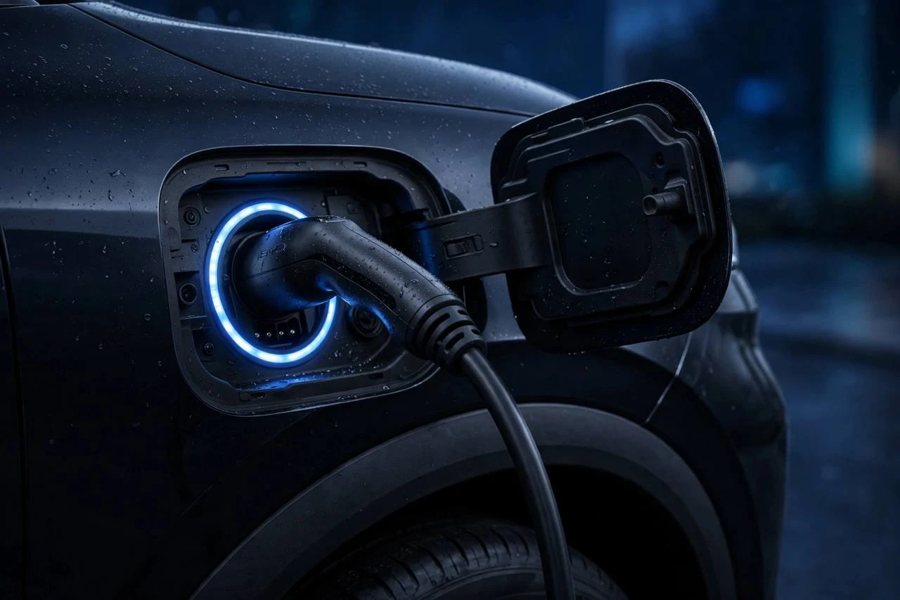
AC chargers, often at malls, hotels and homes, add range over a few hours. DC fast chargers can take many EVs to around 80% in under an hour.

Check which plug your car uses before you go: Type 2 (AC), CCS2 (DC fast, Type 2 with two extra pins below) or GB/T (common on cars from Chinese brands).

Many AC stations expect you to bring your own Type 2 cable, so keep the one that came with your car in the boot.

Charging & RangeHow to plan your first EV charging stopA short checklist so your first public charge goes smoothly.1 min read
  • Check your car's plug type and the fastest DC speed it can take (in the manual or the maker's website).
  • Find a station on the Nexa Map and check its plug, speed and opening hours.
  • Call ahead if you can: the station's phone number is on the map when it's listed.
  • Don't arrive almost empty. Leave a buffer in case the charger is busy or out of order.
  • On DC fast chargers, charging slows down past about 80%, so unplug there unless you need the full range.
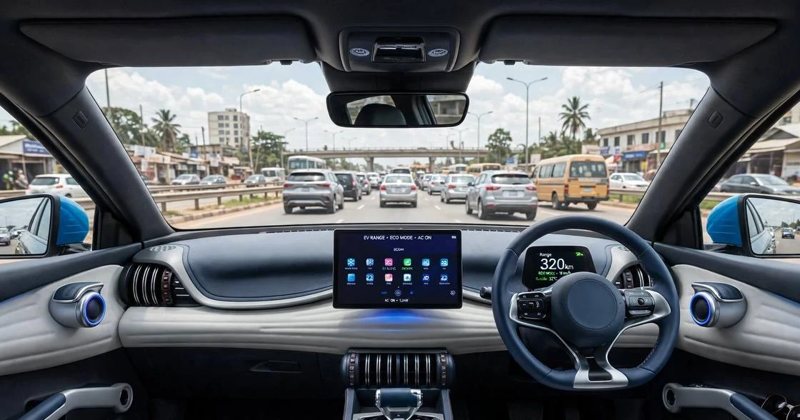
Charging & RangeWhat affects EV range in everyday driving?Why the range on the screen changes, and how to get more from each charge.1 min read

Speed: range drops quickly at highway speeds. Steady, moderate speeds go further.

Air conditioning: in Ghana's heat the AC works hard. Pre-cool the car while it's still plugged in and park in the shade.

Weight and tyres: heavy loads and under-inflated tyres both use more energy. Check tyre pressure monthly.

Hills and driving style: gentle acceleration helps, and in traffic regenerative braking puts energy back into the battery.

Battery CareKeeping your battery healthySimple habits that help the main battery and the 12V battery last.1 min read

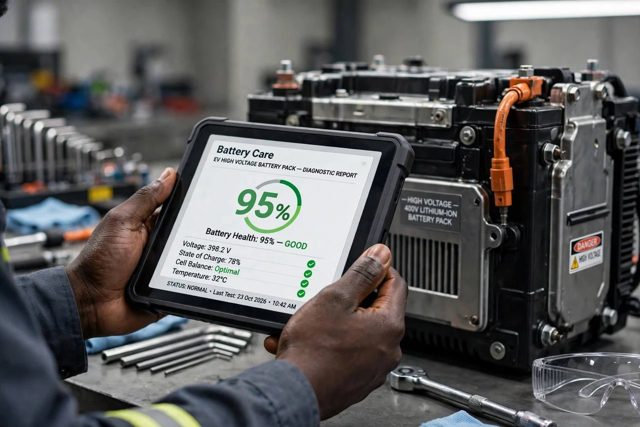
For daily driving, many makers suggest keeping the charge roughly between 20% and 80% and charging to 100% only before long trips. Some battery types are different, so follow your owner's manual.

Avoid leaving the car for long at 100% or close to empty, especially parked in the sun.

DC fast charging is fine when you need it, but slower AC charging is gentler for everyday use.

Don't forget the small 12V battery: it powers the locks, screen and start-up. If it goes flat, an EV won't switch on even with a full main battery. Have it tested at each service.

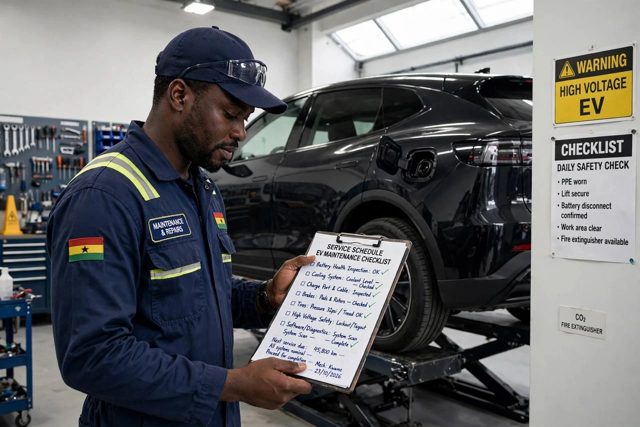
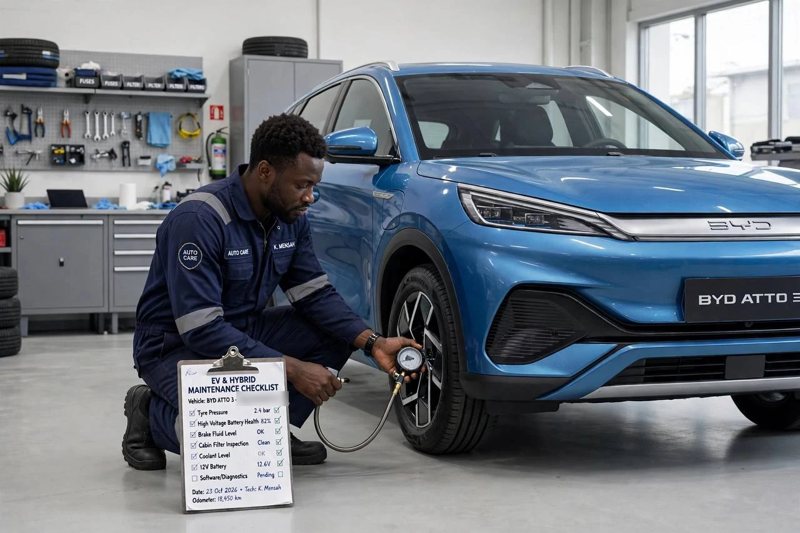
Maintenance & RepairsA simple EV & hybrid maintenance checklistWhat to check yourself each month, and what to have checked at a service.1 min read

Every month, yourself:

  • Tyre pressure and tread (EVs are heavy, so tyres can wear faster).
  • Lights, wipers and washer fluid.
  • Any new warning lights or noises.

At each service, by a workshop:

  • Brakes: pads, discs and brake fluid. Regenerative braking means the pads are used less, so discs can rust if they aren't checked.
  • Coolant for the battery and motor cooling system.
  • Cabin air filter.
  • 12V battery test.
  • Suspension and steering.
  • Hybrids and plug-in hybrids: engine oil, oil filter and spark plugs on the maker's schedule.

Always follow the service schedule in your owner's manual, and keep the records.

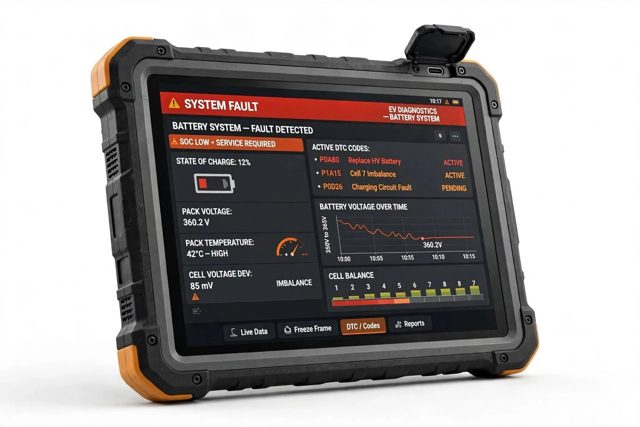
TroubleshootingWhat to do when a warning light appearsHow to tell a warning you can drive with from one that means stop.1 min read

Red: stop safely as soon as you can and check the manual. Don't keep driving if it says not to.

Amber or yellow: something needs checking soon. Book a diagnostic check.

Green or blue: information only, such as lights on or ready to drive.

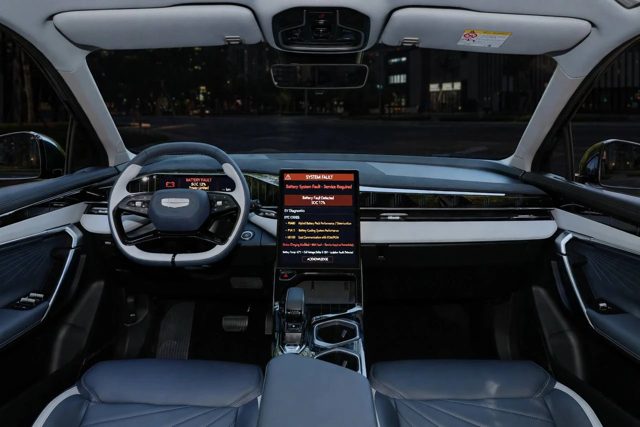
EVs and hybrids add a few of their own, such as a high-voltage system or battery fault and a reduced-power (often a tortoise) light. If you see one of these, drive gently to a safe place and get the car checked. Note what the light looked like and when it came on: it helps the technician.

TroubleshootingWhat to do if your EV stops unexpectedlySimple steps to stay safe and get back on the road.1 min read
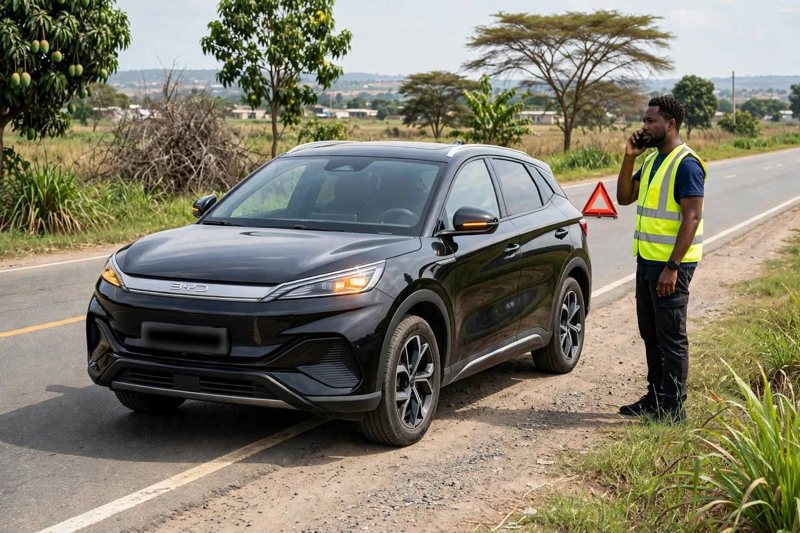
  • Turn on your hazard lights and, if you can, steer out of the traffic to the side of the road.
  • Put the car in Park and switch it off. If it isn't safe to stay inside, get everyone out and away from the traffic.
  • Place your warning triangle behind the car.
  • If anyone is hurt, or you see smoke or smell burning, move well away and call 112.
  • Never touch the orange high-voltage cables or open battery covers.
  • Ask for roadside help in the NexaFix app and say it's an electric car. Many EVs must be moved on a flatbed, not towed with their wheels on the road.
  • If the screen stays dark, the cause is often a flat 12V battery, which a roadside team can often help with on the spot.
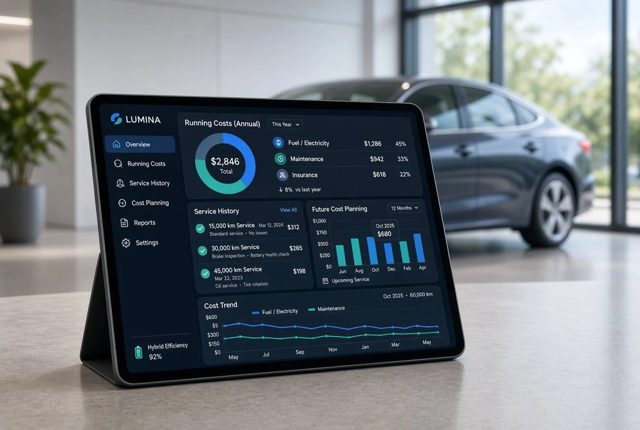
Ownership & CostsRunning costs, records and planningWhat an EV or hybrid really costs to run, and why records matter.1 min read

Energy: charging at home is usually cheaper per kilometre than fuel, but it depends on your electricity tariff. Public DC fast charging usually costs more than charging at home.

Servicing: EVs have fewer parts to service (no oil changes), but tyres can wear faster. Hybrids still need engine servicing.

Records: keep every service, repair and part in one place. A full history helps with warranty claims and when you sell the car.

Warranty: check what your battery warranty covers, for how many years or kilometres, and what you must do to keep it valid.